
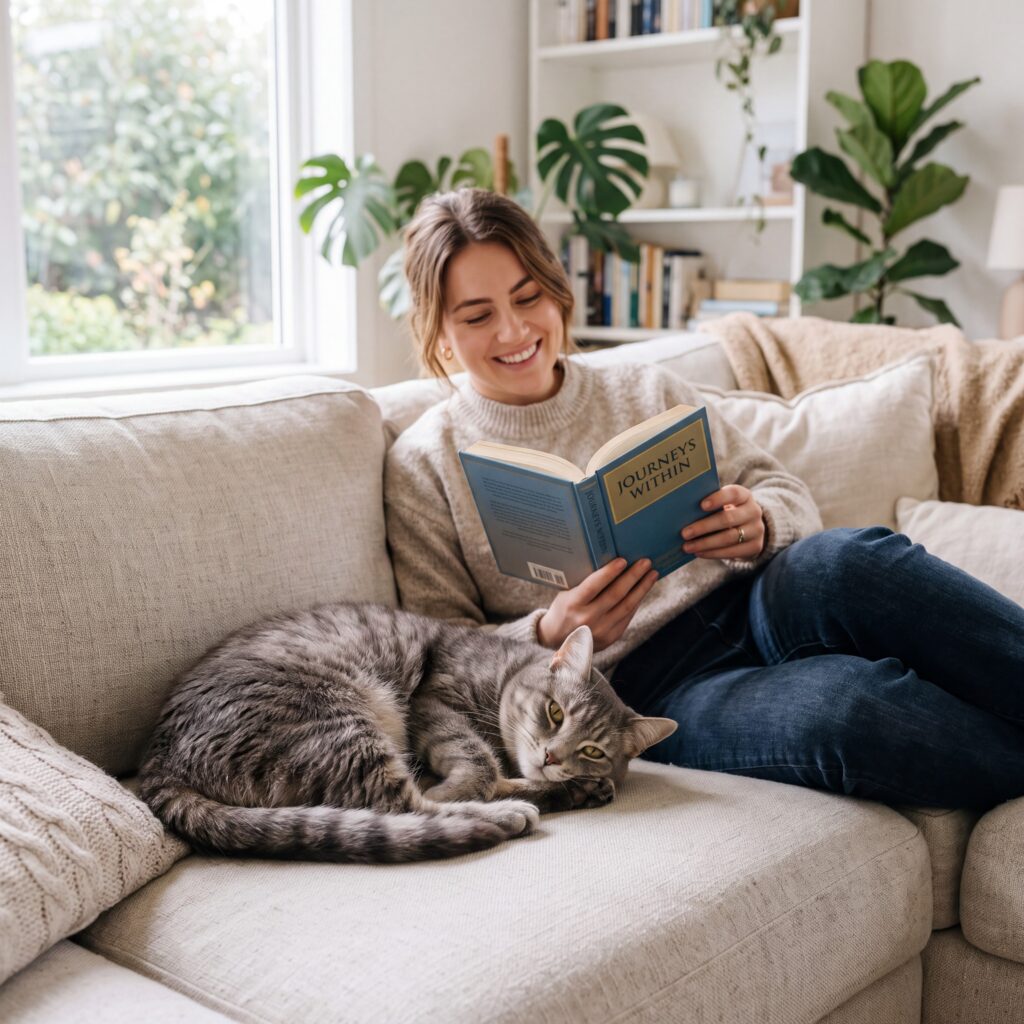
Most cats hate water, and honestly, most cats don’t need regular baths. They groom themselves for hours a day. But sometimes they need help: a messy litter moment, something sticky in the fur, a senior cat who can’t groom like they used to, or a long-haired cat getting matted.
Here’s how to clean a cat that hates water, without the scratches.
First: does your cat actually need cleaning?
A quick spot clean is usually enough for:
- Litter or dirt stuck to the paws or back end
- Food on the face or chin
- Dust or dander buildup on the coat
- Senior, overweight or arthritic cats who can’t reach everywhere
- Long-haired cats between grooming sessions
If your cat suddenly stops grooming, has greasy or patchy fur, or keeps getting messy at the back end, mention it to your vet. A change in grooming can be a sign something else is going on.
1. Pick a calm moment
Timing matters more than technique. Choose a time when your cat is relaxed, like after a meal or a nap. Keep the room quiet, and have everything ready before you start so you’re not leaving mid-clean.
2. Brush before anything else
A gentle brush removes loose hair, dust and small tangles. For long-haired cats, use a wide-toothed comb first, then a softer brush. Go slowly around the belly and legs, where most cats are sensitive. If you find a mat that’s tight to the skin, don’t cut it out yourself; a groomer or vet can remove it safely.
3. Wipe instead of wash
This is the part that replaces the bath. Use a pet-safe wipe or a soft cloth that’s barely damp with lukewarm water. Wipe in the direction of the fur, in short, slow strokes, the way you’d pet your cat. Start with the back and sides, where most cats are comfortable, then move to the legs and belly.
Many cats accept a glove far better than a cloth, because it just feels like being petted. Our No-Rinse Bath Gloves work the same on cats as on dogs: slip it on, pet, and the coat gets cleaned as you go. No water and no towel-drying.
4. Spot clean the messy areas
Paws: wipe each paw and gently between the toes, especially if litter sticks there.
Back end: use a fresh wipe and work gently. For long-haired cats, a “sanitary trim” from a groomer can stop this from happening again.
Face and chin: a separate soft wipe for around the mouth and under the eyes. Never wipe the eye itself.
5. Keep it short and end on a treat
Five minutes beats a 20-minute standoff. If your cat gets tense, stop, and finish the rest later. End every session with a treat or play, so cleaning becomes “the thing before treats” instead of “the thing I run from.”
6. Make it a routine
A short wipe-down once or twice a week, plus a quick paw check, keeps most cats clean without ever needing a bath. Senior and long-haired cats usually benefit the most from a regular routine.
What to avoid
- Human wipes, baby wipes with fragrance, or anything with alcohol
- Essential oils, which can be harmful to cats
- Soaking the coat, which most cats hate and is hard to dry
- Forcing it. A calm two-minute clean beats a stressful bath every time.
The quick version
- Wait for a calm moment.
- Brush out loose hair.
- Slip on a glove and pet from head to tail.
- Spot clean paws, face and back end.
- Treat, praise, done.
A clean cat, no water, no drama.